What it is, how we treat it, and why the obvious approach usually fails.
Tap any pest for the signs to look for, the treatment we use and what to expect afterwards.
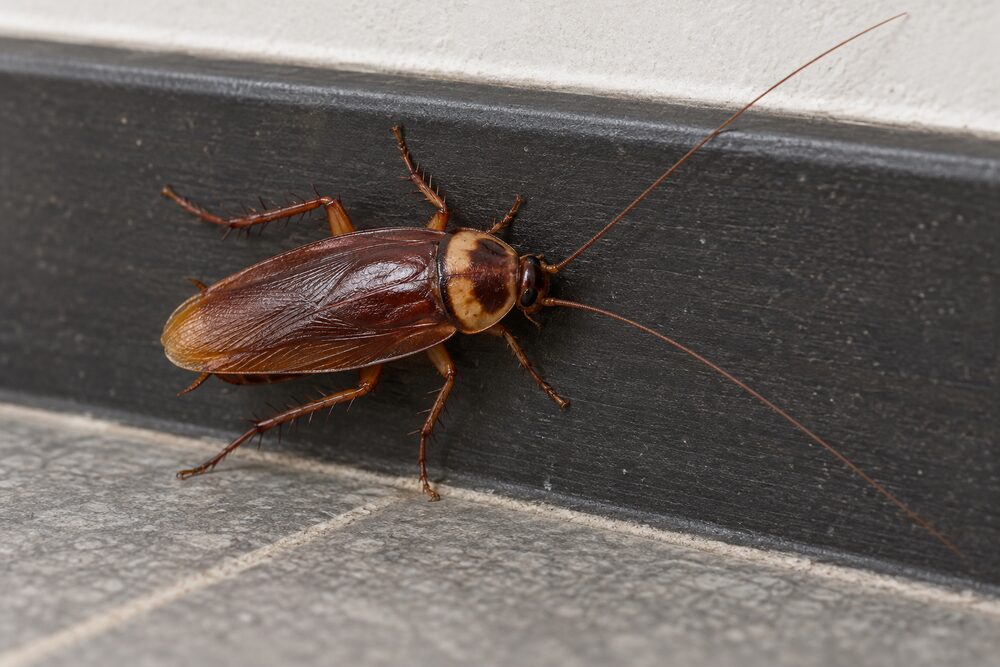
Droppings like coarse black pepper along skirting and inside cupboard hinges, a sweet musty smell, and egg cases glued into cracks.
We gel-bait the harbourages, treat the runs behind and beneath fixtures, then proof the gaps around pipework and cabinetry.
Keep surfaces clear for 24 hours and do not wipe the treated cracks. Activity usually rises briefly as the bait moves through the population before it drops away.
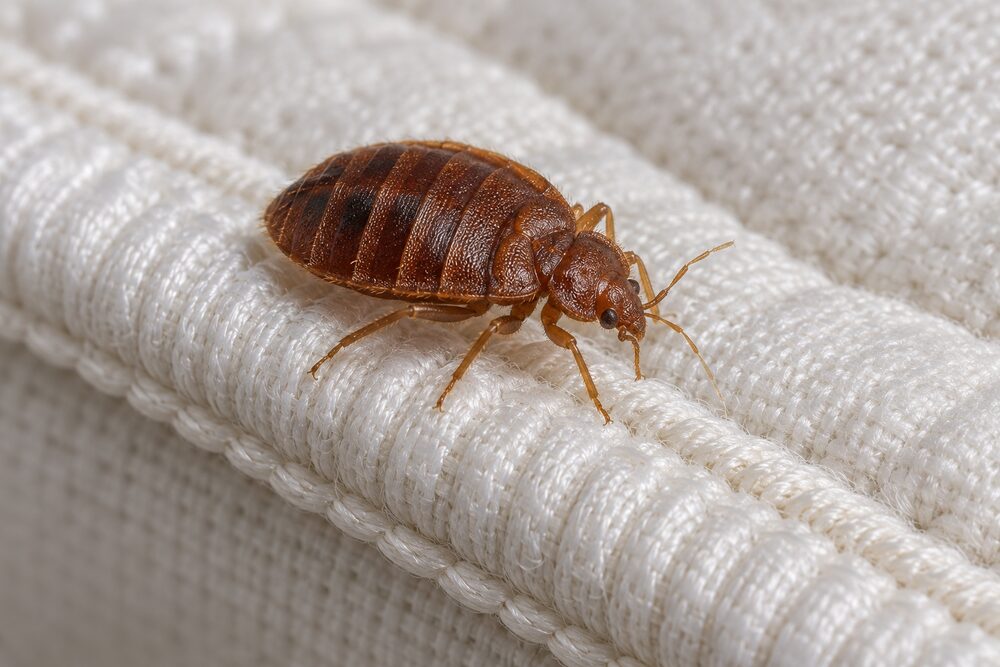
Rust-coloured spotting on mattress seams and bed frames, shed skins in the joints, and bites appearing in lines after a night's sleep.
We treat every harbourage in the room, not only the bed: frames, skirting, headboards and the seams of nearby soft furnishing.
Launder and hot-tumble bedding on the day of treatment, and keep the room in use. We return to break the hatch cycle rather than treating once and hoping.
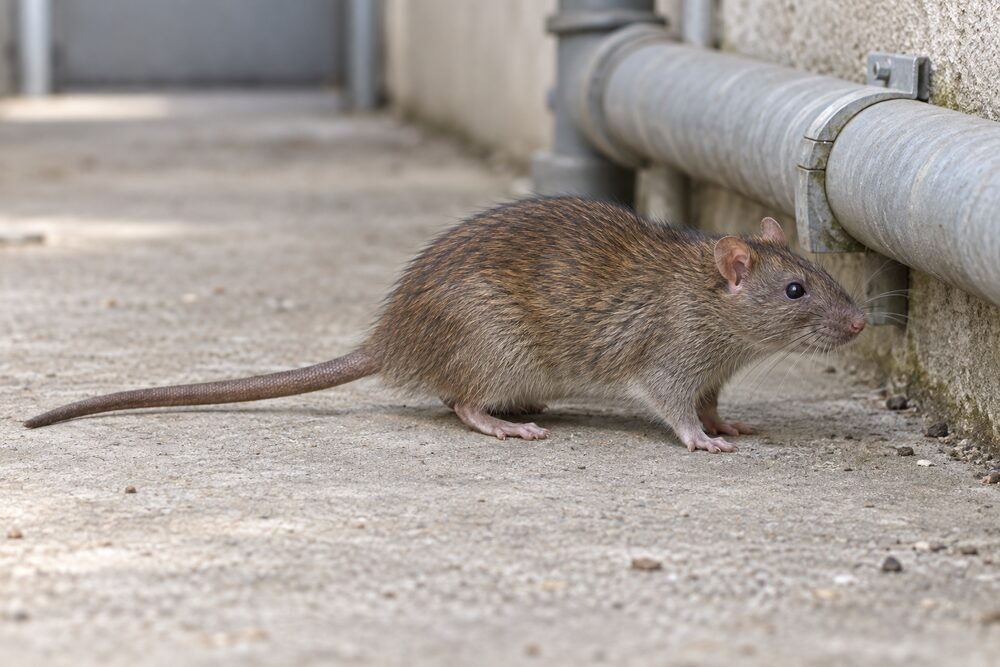
Droppings along a consistent run, gnawed packaging, smear marks on pipework, and scratching overhead at night.
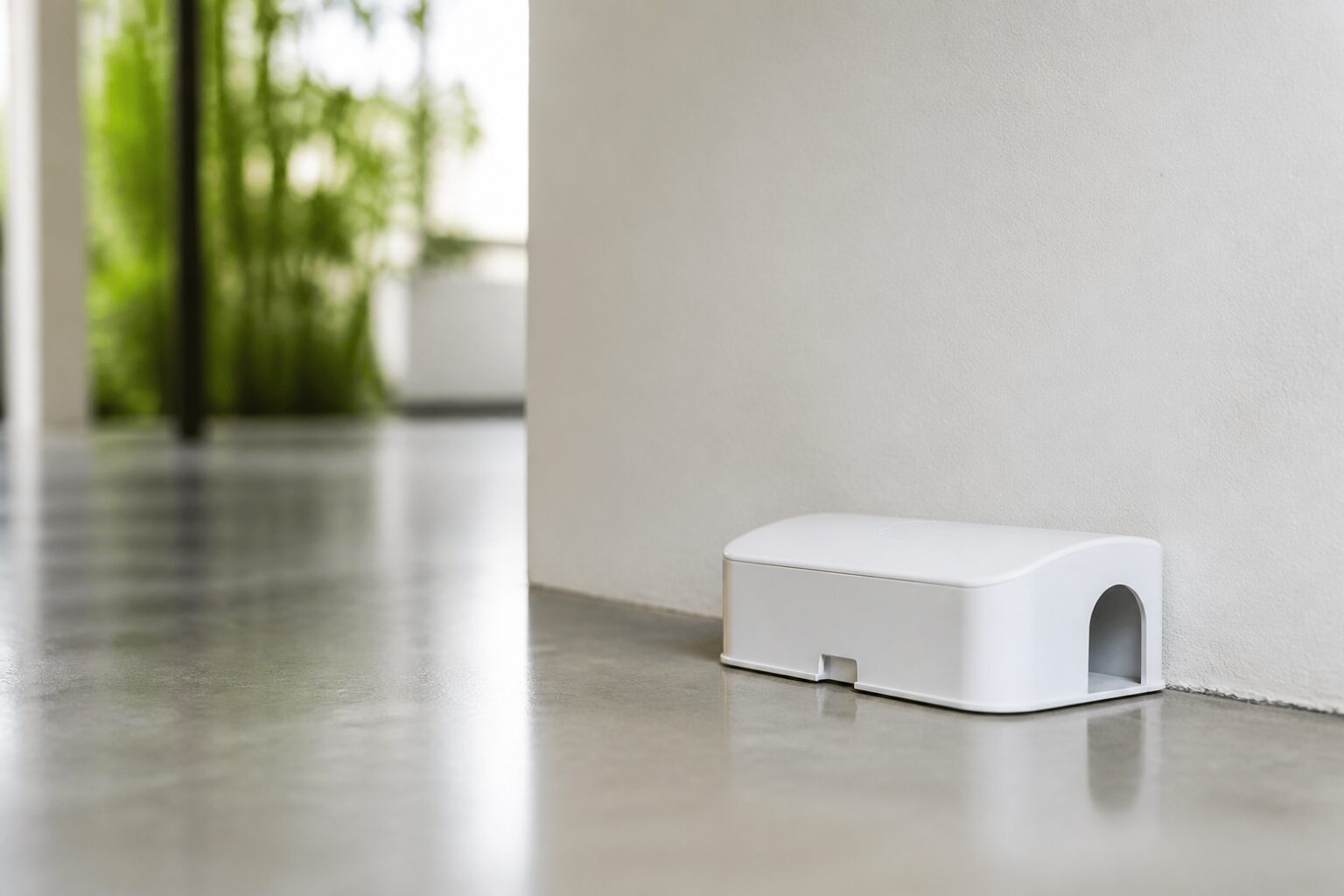
We map the runs, place tamper-resistant stations where the rodents actually travel, and close the access points that let them in.
Clear food debris and secure bins. Proofing is what keeps them out; baiting alone only clears the ones already inside.
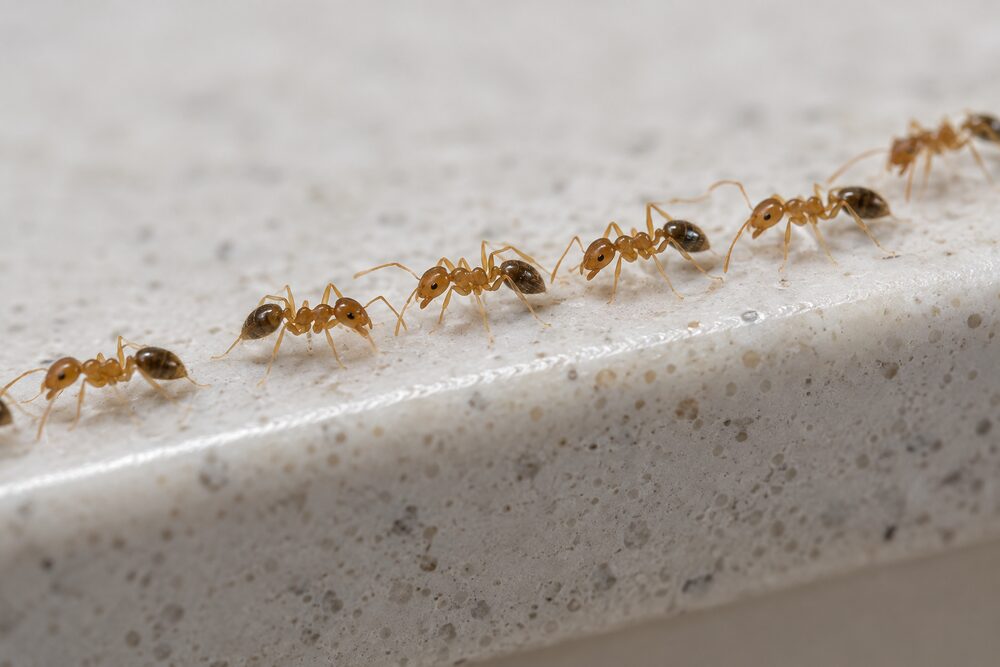
A steady trail to a food or water source, fine soil pushed out of a crack, or winged ants indoors at the start of the wet season.
We use non-repellent transfer baits the foragers carry back to the nest, and we deliberately do not spray the trail.
Do not clean the trail away before we arrive, and leave the bait points alone. Spraying scatters a colony into several smaller ones.
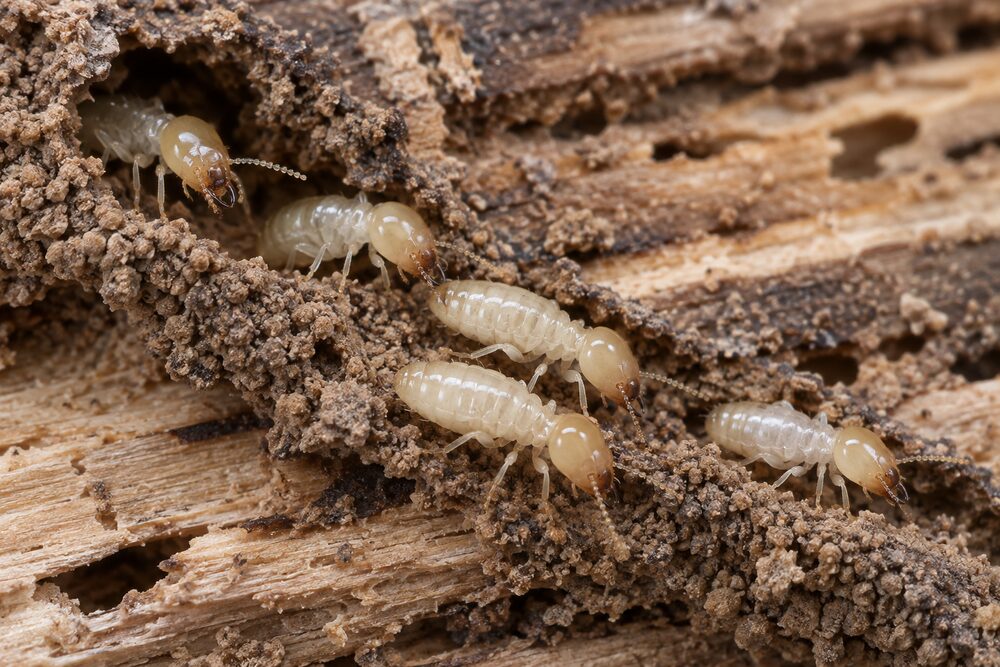
Mud tubes on walls or piers, timber that sounds hollow, blistered paint, or discarded wings near windows after a swarm.
We locate the activity, install a baiting system and treat the soil so the structure stays protected rather than just the visible damage.
Do not disturb the mud tubes: intact tubes tell us where the colony is working. Structural termite work runs over months, not one visit.
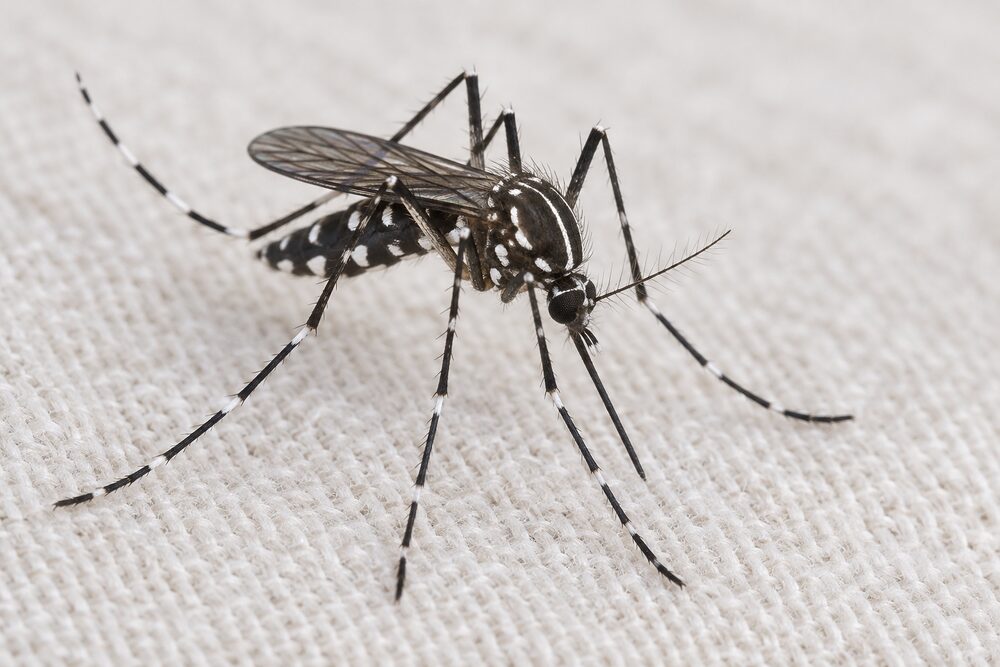
Biting activity around dawn and dusk, and standing water in trays, gullies, roof gutters or plant pot saucers.
We mist the resting sites and remove the breeding sources around the premises, then check the spots that refill after rain.
Tip and scrub anything holding water twice a week. In Singapore this is what actually keeps counts down, and it is required of occupiers.
Discreet monitors go into the critical areas: kitchens, bathrooms, utility rooms and bin stores, so activity shows up early rather than as an infestation. Infestations grow quickly and are usually brewing long before anyone notices.
Book an inspection